If you've ever watched someone else use a name suspiciously similar to yours, copy your summit concept, or - yikes! - received a cease and desist letter forcing you to rebrand... this episode is for you.
Legal stuff can feel boring and even scary sometimes, but I promise this conversation is anything but! Award-winning trademark attorney Joey Vitale has a gift for making this topic approachable, practical, and actually fascinating. And as someone who has personally received a cease and desist AND had someone try to claim ownership of one of my own trademarked phrases, I can tell you: this is not a conversation you want to skip.
Listen to the episode
Prefer to listen to this post instead? Use the links below to listen on your preferred podcast player:
Download the episode transcript here.
Episode at a glance:
[1:46] What's actually protectable when it comes to virtual summits
Joey breaks down the two main legal categories that apply to virtual summits: copyrights and trademarks. While copyrights cover longer-form content like sales page copy or summit recordings, they're expensive and difficult to enforce for most small business owners.
Trademarks, on the other hand, protect your summit name, slogan, and logo - and they're far more powerful. If someone else uses a name close to yours and customers could confuse the two, a registered trademark lets you take real action.
"If you were to get blindsided by a cease and desist letter today saying that you were infringing on someone else's summit and you had to change the name of your entire brand, it's like having all four tires go flat at once. You can't market the business anymore until you fix that."
[8:24] When to trademark - and what happens if you wait
Krista shares her own experience getting a cease and desist on her very first summit name - and the overwhelming amount of work it took to rebrand everything from domains to graphics to audience communication. Joey makes the case that trademarking isn't something to put off. If you wait, someone else can see your success, file before you get around to it, and legally claim rights to a name you created. Trademark rights are technically established upon first use, but without a registration, enforcing those rights can cost ten times as much and is exponentially harder to prove.
"Without a trademark, you now run the risk of someone else seeing your success and sneaking in and filing a trademark before you get around to it."
[10:38] Why generic names are a trademark trap
This is one of the most practical and often overlooked points when it comes to trademarks. Joey explains that the more generic or "easy to think of" a name is, the harder it is to trademark - and the harder it is to enforce, even if you do get it. He introduces the concept of "suggestive trademarks" - names that aren't generic, but make total sense once you understand the brand. He explains the "Hakuna Matata effect": a name worth trademarking is one where people hear it and immediately think of you, not just the category.
"You are designing an uphill battle for yourself trademark wise, when you create an entire brand around those easy to think of phrases."
[15:08] The search process most people skip - and why it matters
Joey explains why "domain name thinking" (just adding an 's' or a dash if a name is taken) doesn't work in the trademark world. Over 500,000 trademark applications are filed every year, and the majority get denied - most often because they're too similar to an existing trademark. Even tiny brand-name tweaks can get your application rejected, and Joey shares examples.
"The comprehensive search that we do is the most valuable part of the entire process, because we make sure at the very beginning that, ideally, we're moving forward with a trademark that isn't likely to get denied."
[18:25] What having a trademark actually allows you to do
Joey walks through what it looks like to discover a copycat with and without a registered trademark. With a registration, you can report infringers directly to platforms like Facebook and Instagram - and those platforms take it seriously. Indie Law was even able to reclaim their own Instagram handle this way! Without it, you're either spending a fortune in attorney fees or hoping a strongly worded cease and desist does the trick.
"Platforms like Facebook, Amazon, and Google really respect seeing that registration. If you see a copycat using your trademark summit name, you can report them on Facebook or Instagram, tell that platform they're infringing on my trademark, here's my registration number - platforms take that very seriously."
[22:11] The new reason to trademark your logo
Gmail now offers a blue verification badge (similar to what you've seen on social media) that helps your emails land in the primary inbox instead of the spam folder. To qualify, you need a registered trademark. Joey believes this is just the beginning, and that more platforms will follow Google's lead. His team is putting together a step-by-step Google Doc with instructions on how to apply.
"If you get that badge, it helps you avoid spam folders and get sent to the primary inbox - and you cannot get the blue verified check unless you have your trademark registered."
About Joey Vitale
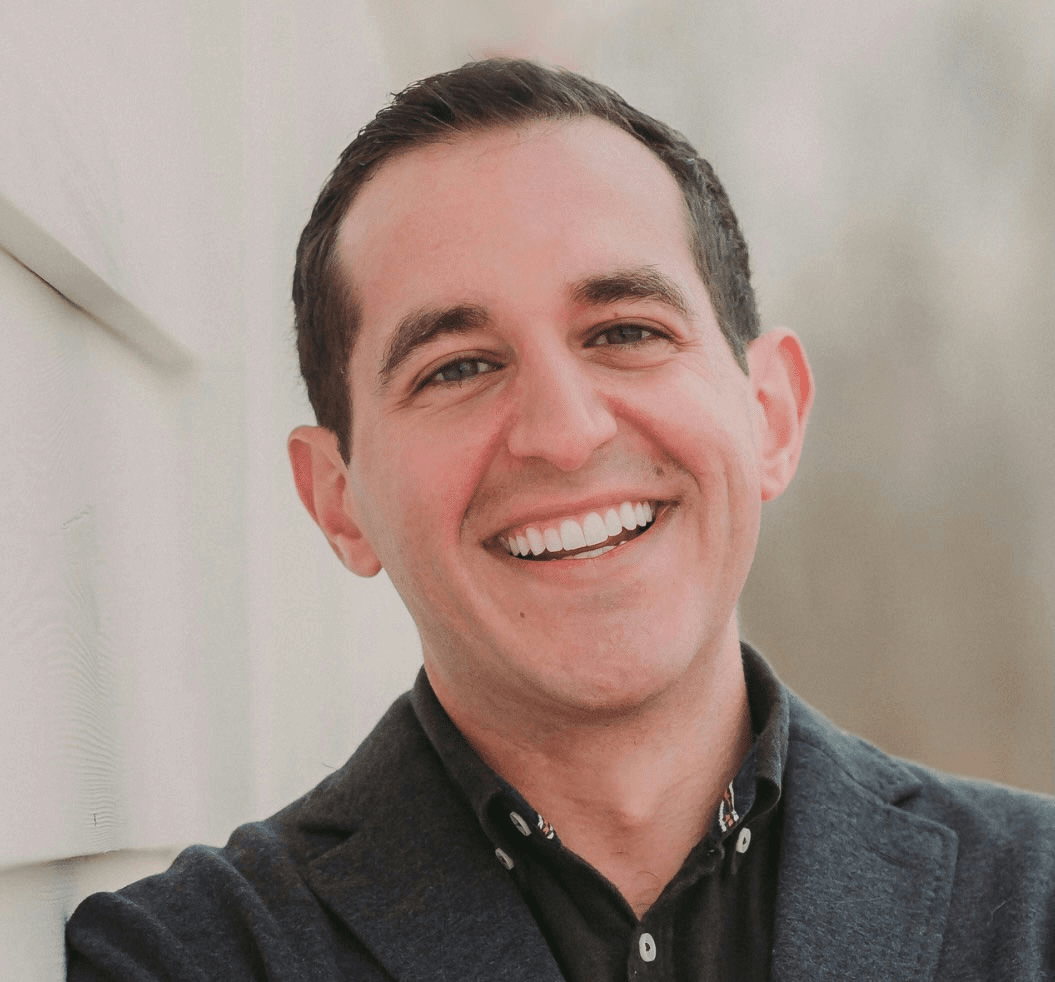 Joey Vitale is the owner and founding attorney at Indie Law, a trademark law firm for modern entrepreneurs. His team has filed over 1,500 trademarks and earned more than 180 five-star Google reviews. Joey makes trademarks simple and friendly, helping creators and small business owners protect their names, logos, and products so they can grow with confidence. He also speaks and writes about brand protection and smart systems for small teams.
Joey's Website | Book a call with Indie Law
Get a copy of Legally Legit
Resources

View related episodes >>
Pin it for later!